
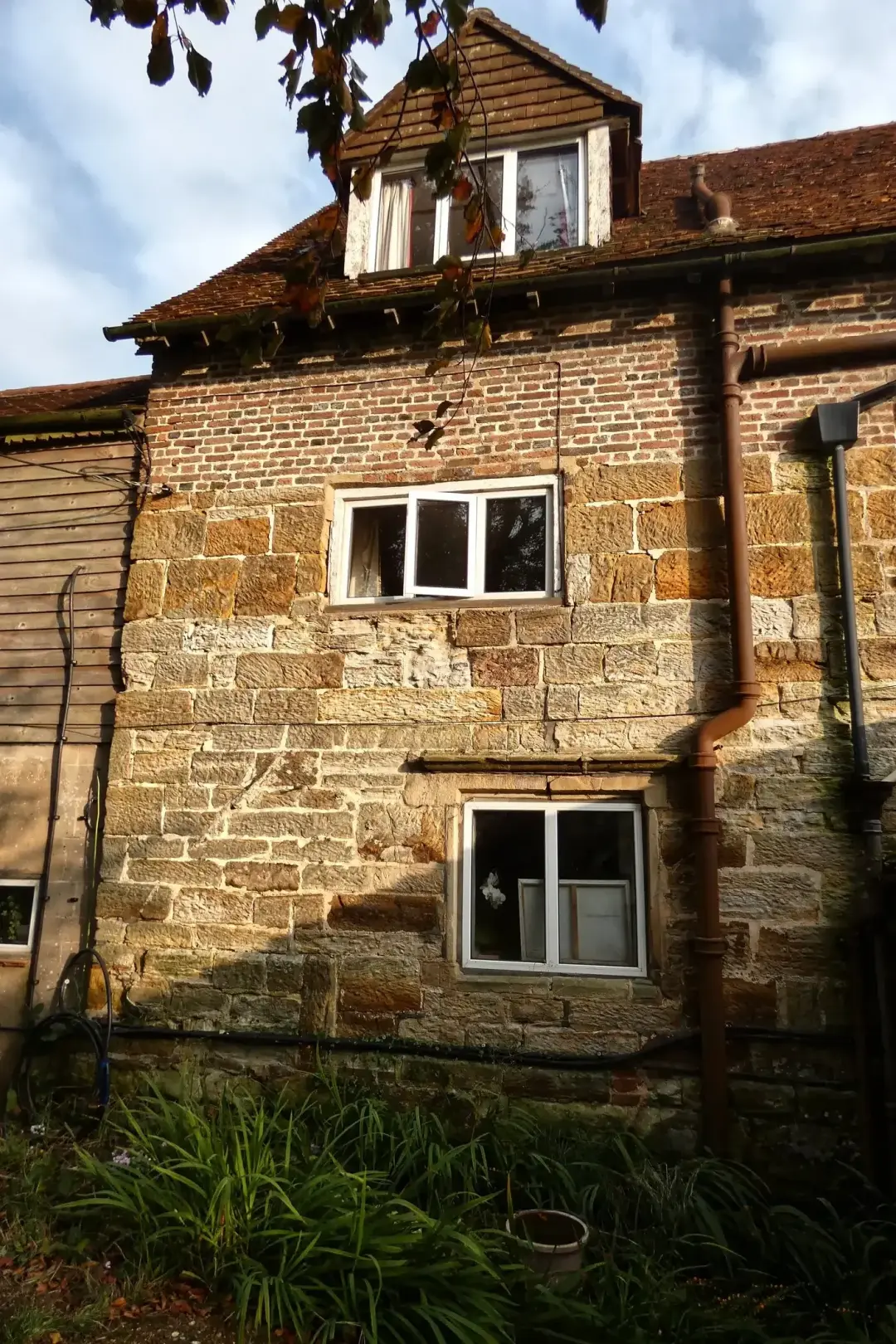
Listed Buildings in England
When you visit England, it's difficult not to notice that we are proud of our history and culture. Our architecture most prominently displays our rich heritage, notably historic castles, houses of the past and other listed buildings up and down the country. Many listed buildings are also private homes or commercial premises, and their owners need experienced listed buildings architects.
Working on listed buildings is challenging, as they are under strict planning regulations due to their listed status. William Bates has worked with various buildings and structures and has years of experience.
There are three grades of listed building, which reflect how significant the building is; listed building consent is needed for any work that affects its character, whatever the grade. Consent helps professionals and clients define what can and cannot be built and altered. This applies to the internal and external fabric and features, even as part of restoration projects.
Historic and Listed Buildings for All Purposes
Architect Heathfield has plenty of experience working with historic and listed buildings for all purposes, including converting or renovating them for residential use.
Our proposals and approach are highly sympathetic to the original building features and materials across Kent, East Sussex and West Sussex. Yet we also incorporate new and practical design solutions for your desired changes and alterations.
These alterations can take many forms, for example extending properties, adding storeys to houses or buildings, and remodelling the interior or exterior. We will establish your expectations and aspirations for the building from the initial consultation.
Whether you want to convert a large, modern commercial building into a set of residential apartments or renovate a 16th-century thatched cottage into your dream home, we can help. You can count on us to provide a tailored solution for a wide range of work, including listed buildings and houses.
Grade I
Buildings of exceptional interest, the highest grade, for example York Minster and Blackpool Tower.
Grade II*
Particularly important buildings of more than special interest, such as Battersea Power Station and Leeds Library.
Grade II
Buildings of special interest that warrant every effort to preserve them, for example Whitby Railway Station.
Conservation Areas and Building Methods
Listed Buildings
We have worked on a large number of listed buildings, and understand what each grade means for your project. This is delicate work, and close attention must be paid to the listing.
As a RIBA Chartered Practice, we have the training, the understanding of building methods and the project management expertise to carry out this work successfully.
Conservation Areas
Like work on historic buildings, work in a conservation area needs the technical expertise of professional architects. The regulations and limits on buildings there shape every step of the project.
From the first plans to how the work is carried out, everything must conform to the site's conservation area or listed building status. We work with clients throughout East Sussex and West Sussex.
Contemporary and Traditional Methods
We have significant experience in contemporary and traditional building methods and design, making us the right architects for restoring or modifying listed buildings.
Our proposals are highly sympathetic to the original features and materials, and William Bates works closely with clients on all heritage and conservation projects.
Churches and Ancient Buildings
One of the most important things to consider when making alterations to listed buildings and houses is listed building consent, planning permission and any regulations that prevent certain types of work. This is particularly important for places of worship, such as churches (for Church of England churches, a faculty from the diocese), and any other structure of significant age.
We are happy to offer our technical expertise, with thorough knowledge of the listed building techniques and inspection methods needed first to conceptualise this work. This initial inspection will help you obtain the correct consents to carry out the work.
You must obtain the necessary listed building consent to proceed with your project, and we can assist with this and any other legal requirements before the work begins. Preserving is essential, but we will do our best to stick to your ideas and improve your chosen building or area as best as possible. Alongside inspections and regulations, we can also offer professional advice on where you can obtain funding to help the work go ahead.
We also have an extensive list of local contractors covering East Sussex and West Sussex whom we work with and trust to complete the project. Contact us today, and we'll do everything we can to help you.
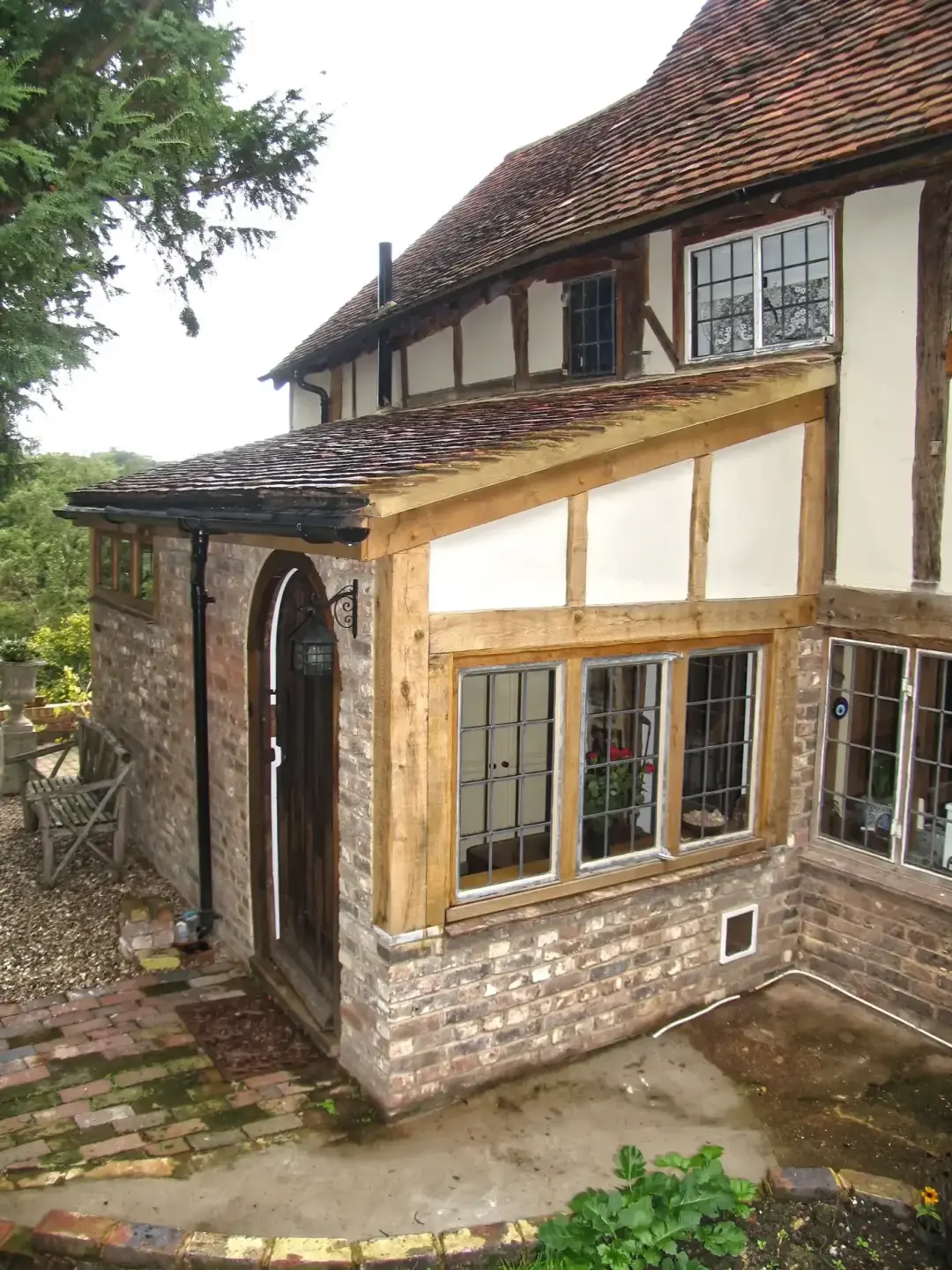
Listed Buildings Architects Near Me
William Bates will be more than happy to help you take a project to the planning decision stage, including developing a complete planning application.
If you would like to arrange a consultation to discuss your project in more detail, please don't hesitate to call 01435 812973. We ensure you speak with William Bates himself about your ideas.
Contact Architect Heathfield today. Our listed buildings architect services are available throughout Sussex, Kent, Surrey and London.
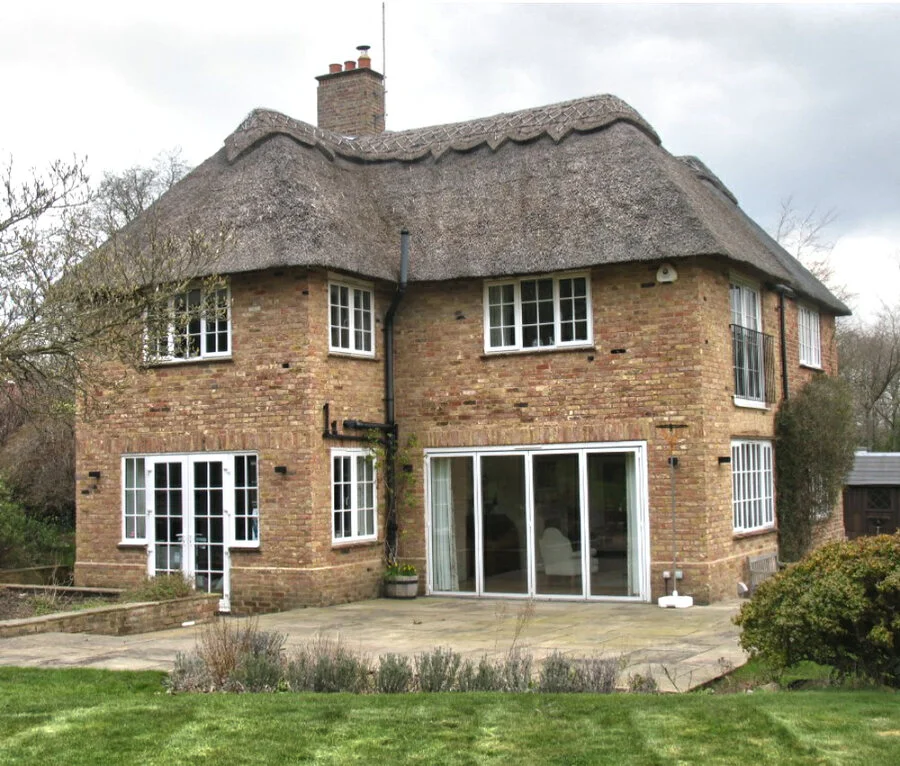
Residential Architecture
New homes, extensions, conversions and renovations, designed around the way you live.
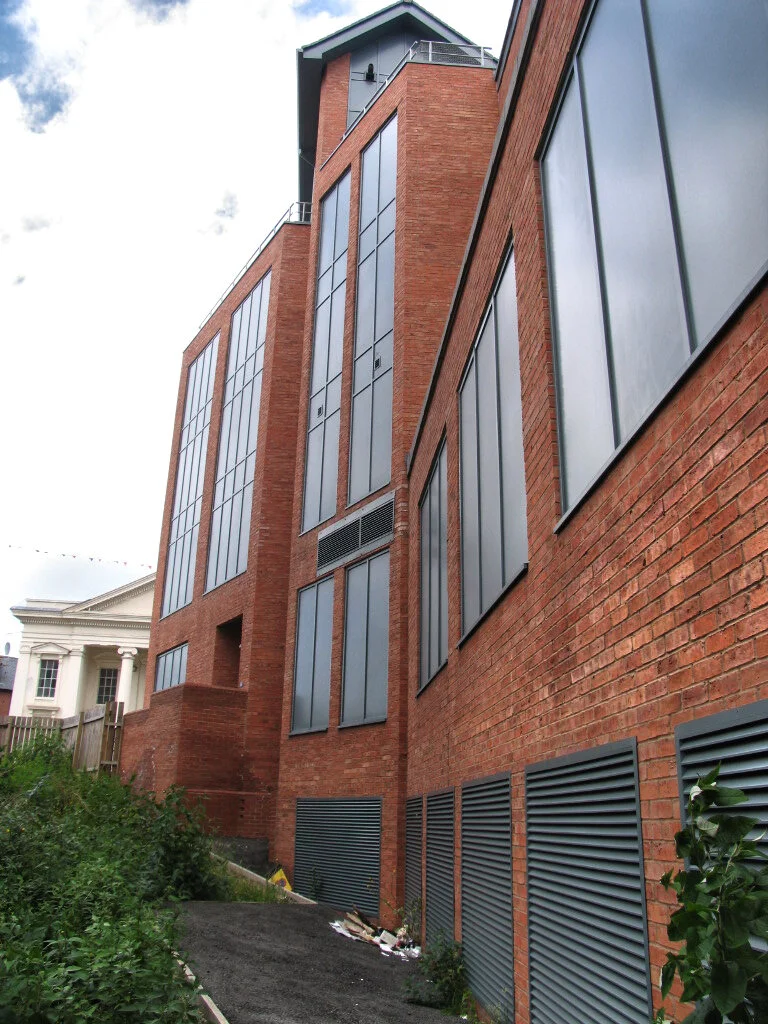
Commercial Architecture
Retail, commercial, leisure and public buildings, from first ideas to completion.
Expert Witness Reports
Independent expert reports on building disputes, particularly alleged professional negligence.